The Future of Education in Austria: Trends and Innovations
International Student Integration
Educational Events and Global Presence
Improved Resource Allocation
Future Innovations in Education
Take the Next Step with Study in Austria
German Language Support Expansion
A pivotal trend in Austrian education is the substantial investment in German language instruction. Beginning in the 2025/26 academic year, the Austrian government plans to more than double the resources dedicated to teaching German. This ambitious initiative not only signifies a commitment to linguistic proficiency but also underscores the importance of language in achieving successful educational outcomes.
Key Statistics:
- Current Posts for German Language Teaching: 577
- Planned Expansion: Increasing to over 1,324 posts
- Total Increase: Approximately 130% for the 2025/26 academic year
- Additional Investment: €62 million, bringing the total to €108 million annually
This expansion acknowledges the critical role that German proficiency plays in a student’s career and personal development, making it essential for those who wish to succeed academically and socially in Austria. A needs-oriented allocation strategy ensures that schools across the country can effectively deploy these new resources, supporting a diverse range of students regardless of their background.
For international students considering a program in Austria, strong German language skills will bolster academic performance and facilitate everyday interactions, further underpinning their overall educational experience.
International Student Integration
Austria continues to solidify its reputation as a welcoming and inclusive environment for international students. The nation is actively addressing the integration challenges faced by students from various backgrounds, including those from regions affected by conflict such as Syria, Afghanistan, and Ukraine.
Support Initiatives:
- Cultural Orientation Programs: These programs help new students acclimate to Austrian society, providing insights into cultural norms and expectations.
- Academic Support Services: Institutions are enhancing support systems, offering academic advising and peer mentoring specifically aimed at international students.
The importance of effective integration cannot be overstated. For international students, the application process for student visas remains a vital consideration. Students must apply in person at the Austrian diplomatic mission, ensuring they are fully informed about the requirements and processes involved.
Study in Austria offers guidance on navigating these admissions procedures, aiming to simplify the process for prospective international students.
Educational Events and Global Presence
Austria actively participates in international education forums, showcasing its educational offerings and innovations on a global stage. For instance, the NAFSA Annual Conference & Expo 2025, scheduled for April 28, 2025, is an excellent opportunity for educational institutions to present their programs and foster relationships with global partners.
Networking Opportunities:
- International Partnerships: Initiatives like the Austrian Centre at Fudan University exemplify Austria’s commitment to developing educational collaborations worldwide, enhancing the global footprint of its higher education system.
- Workshops and Presentations: Educational events in Austria provide platforms for knowledge exchange, best practices, and innovation sharing among institutions and organizations.
These engagements not only elevate Austria’s educational profile but also provide invaluable networking opportunities for institutions and professionals within the educational sector.
Improved Resource Allocation
The introduction of a new funding allocation framework for educational resources—set to be established permanently from the 2025/26 school year—aims to provide greater stability and predictability for school administrators across Austria. This systematic approach to resource allocation ensures that educational needs of diverse regions are effectively met, benefiting both domestic and international students.
Benefits of Resource Allocation:
- Consistent Educational Experiences: International students can expect a high level of educational quality and access, regardless of the institution they choose.
- Tailored Support: Schools will receive the necessary resources aligned with their specific contexts, enabling them to address unique challenges and support their student population effectively.
This strategic shift in funding demonstrates Austria’s commitment to maintaining high standards in education, ensuring that all students, including international recruits, have access to the resources they need to thrive.
Future Innovations in Education
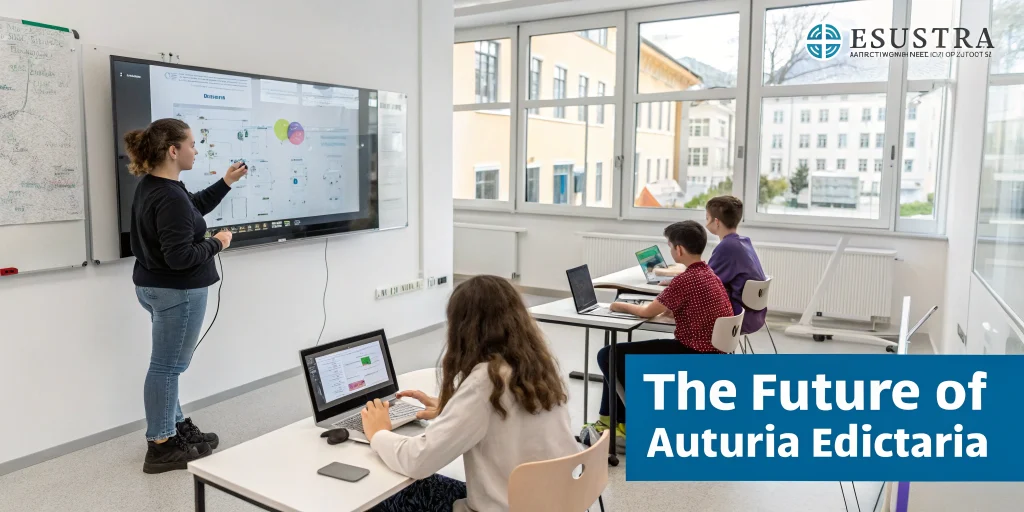
Looking to the future, several innovations are anticipated to further enhance the educational landscape in Austria. Institutions are increasingly adopting digital tools and online learning platforms to improve accessibility and engagement for students, both local and international.
Key Innovations:
- Blended Learning Approaches: Combining traditional classroom experiences with online components allows for a more flexible and personalized education.
- AI and Automation in Education: The integration of artificial intelligence to assist in administrative tasks and provide personalized learning experiences.
These technologies promise to complement the existing educational frameworks, making learning more accessible and tailored to the evolving needs of students.
Take the Next Step with Study in Austria
Austria’s commitment to educational innovation, particularly in language support, international student integration, and improved resource allocation, positions it as an attractive destination for international students seeking high-quality education in the heart of Europe. With significant investments being made to enhance the academic and cultural support systems, studying in Austria is becoming increasingly feasible and appealing.